

Description
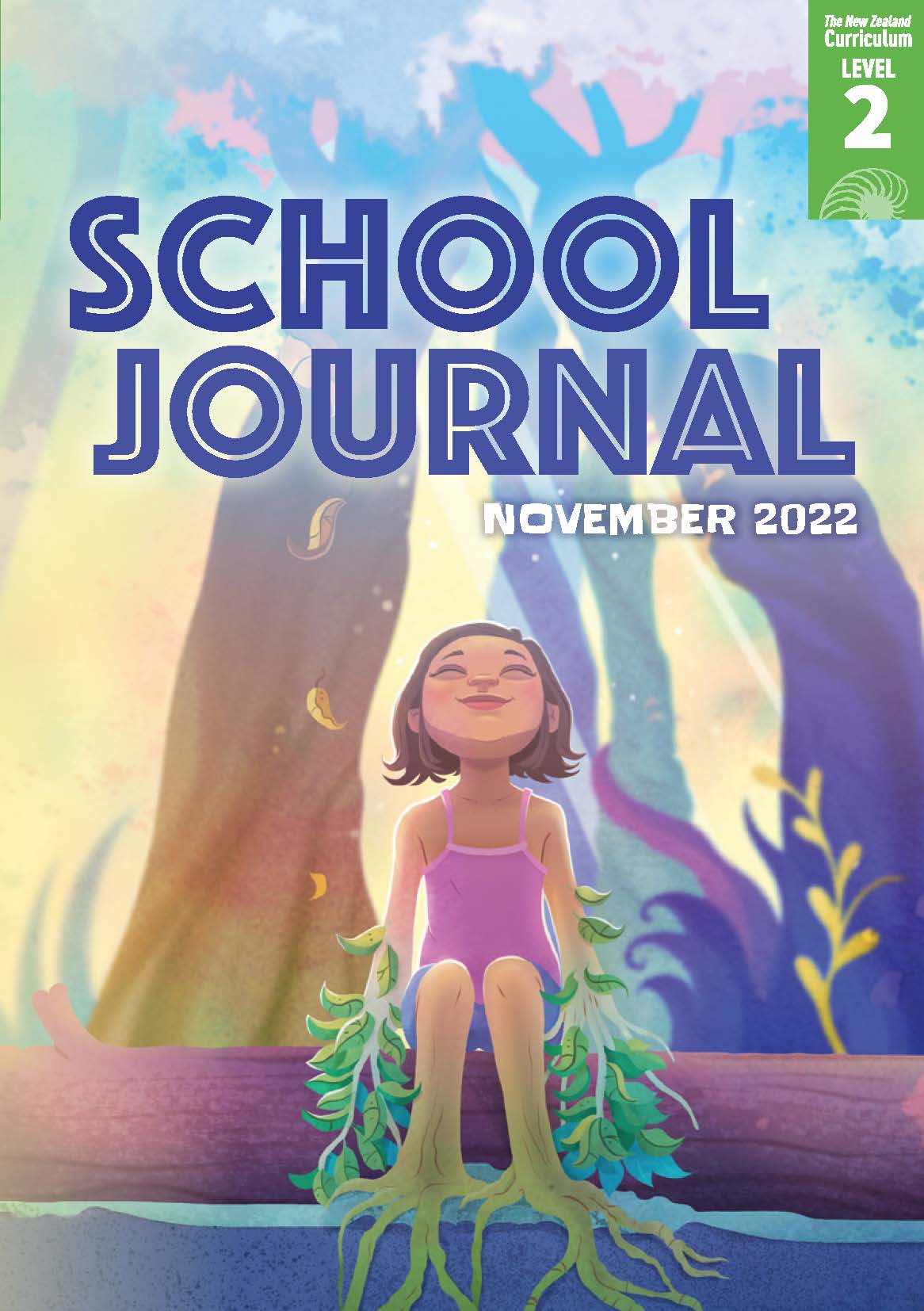
Estuaries by Ursula Cochran is an informative non-fiction text that explains what estuaries are and why they are important places for both people and the natural world in Aotearoa New Zealand. Through clear explanations, diagrams, and vivid examples, the text describes how fresh water from rivers mixes with salt water from the sea to create unique environments with many different habitats. It explores the plants and animals that live in estuaries, including mānawa (mangroves), tuangi (cockles), pāpaka (crabs), pātiki (flounder), and migratory birds such as kuaka (godwits), showing how each is specially adapted to survive there. Accessible, visual, and carefully structured, the text supports students to build scientific understanding through clear explanation and real-world examples.
The text also emphasises the importance of kaitiakitanga and the role people play in protecting estuaries. It explains how estuaries filter pollution, protect land from flooding, and provide food and resources, while also showing how human actions can damage these environments. By introducing practical ways to care for estuaries — such as planting, removing rubbish, and monitoring water health — the text encourages students to see themselves as guardians of these places. Informative, purposeful, and empowering, the text supports students to understand environmental responsibility through knowledge, observation, and care.
The text is ideal for integrated learning across literacy, science, and social sciences, supporting inquiry into ecosystems, environmental protection, and relationships between people and place in Aotearoa New Zealand.
This pack contains wide range of response activities including:
- A guided reading plan exploring key literacy elements including inference and deduction, language use, making connection and text organisation, along with key questioning to promote emotional intelligence, metacognition and compassionate inquiry.
- An independent learning contract complete with explainer videos for activity clarity
- A wide range of response activities to support developing and embedding key literacy skills including sentence and word work, spelling, and cloze activities.
Curriculum Phase: Phase 2
Year Level: Year 4
English (NZC Levels 2–3):
reading for meaning and enjoyment, identifying key ideas and supporting details, understanding informational texts, interpreting diagrams and visual information, building topic-specific vocabulary
Science – Living World:
ecosystems and habitats, adaptations and survival, human impact on the environment, caring for living things
Social Sciences – Aotearoa New Zealand Histories:
kaitiakitanga, Māori perspectives, relationships between people and place, continuity and change, community responsibility
Text type:
Non-fiction, informational text, explanatory report
Key words include:
estuaries, kaitiaki, kaitiakitanga, habitats, ecosystems, tides, fresh water, salt water, mudflats, salt marshes, mānawa (mangroves), tuangi (cockles), pāpaka (crabs), pātiki (flounder), tuna (eels), kuaka (godwits), migratory birds, adaptation, biodiversity, pollution, sediment, erosion, wetlands, rivers, sea, protection, sustainability, monitoring, guardianship, caring for the environment, Aotearoa New Zealand
Accessing my resources
Add your desired resources to your cart. If you're a non-member, complete the purchase; if you're a member, simply go through the checkout process. Once finished, you'll receive a download link on the confirmation page, and a copy will also be sent to your email.