
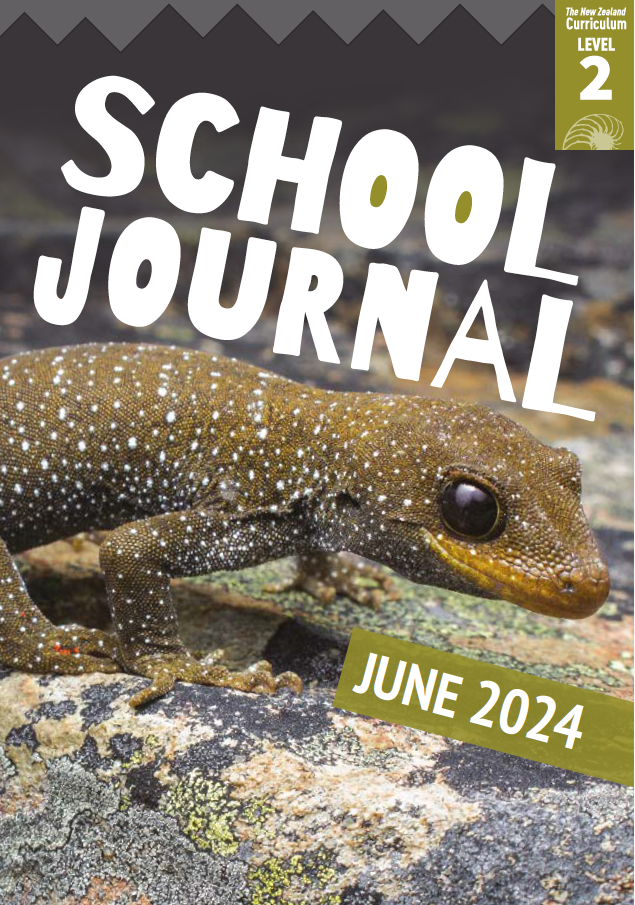

Description
The Great Rat-catching Competition by Kate Evans is an informative non-fiction text that weaves environmental science with community action to explore how children on Rakiura (Stewart Island) worked together to protect their native wildlife. Through real-life examples and student voices, the text explains how an unusually large rat population threatened birds, insects, and plants, and how a school-led trapping competition helped reduce the number of pests on the island. The narrative introduces ideas about ecosystems, predators, and human responsibility, while showing how teamwork, curiosity, and determination can make a real difference. By situating the story within the national Predator Free 2050 goal, the text highlights how local action connects to wider environmental efforts across Aotearoa New Zealand. Engaging, hopeful, and empowering, the text supports students to understand conservation and responsibility through lived experience and voice.
The text is ideal for integrated learning across literacy, science, and social sciences, supporting inquiry into environmental protection, community action, and caring for native species in Aotearoa New Zealand.
This pack contains wide range of response activities including:
- A guided reading plan exploring key literacy elements including inference and deduction, language use, making connection and text organisation, along with key questioning to promote emotional intelligence, metacognition and compassionate inquiry.
- An independent learning contract complete with explainer videos for activity clarity
- A wide range of response activities to support developing and embedding key literacy skills including sentence and word work, spelling, and cloze activities.
Curriculum Phase: Phase 2
Year Level: Year 4
English (NZC Levels 2–3): reading for meaning and enjoyment, identifying key ideas and facts, understanding informational and report texts, building vocabulary related to science and environment, making connections to real-world issues
Science – Living World: native animals and habitats, predators and prey, human impact on the environment, ecosystems, conservation and sustainability
Social Sciences – Aotearoa New Zealand Histories: community action, identity and belonging, continuity and change, local places and people, collective responsibility
Text type: Non-fiction, informational text, report, case study
Key words include: Aotearoa New Zealand histories, Rakiura, Stewart Island, Halfmoon Bay School, Predator Free 2050, rats, predators, pests, trapping, bait, competition, conservation, environment, native birds, kiwi, kākā, tūī, ecosystems, biodiversity, habitats, community action, teamwork, students, science investigation, data collection, measuring, recording results, sustainability, future generations, caring for nature, kaitiakitanga, Tītī Islands, Muttonbird Islands, environmental responsibility
Accessing my resources
Add your desired resources to your cart. If you're a non-member, complete the purchase; if you're a member, simply go through the checkout process. Once finished, you'll receive a download link on the confirmation page, and a copy will also be sent to your email.