
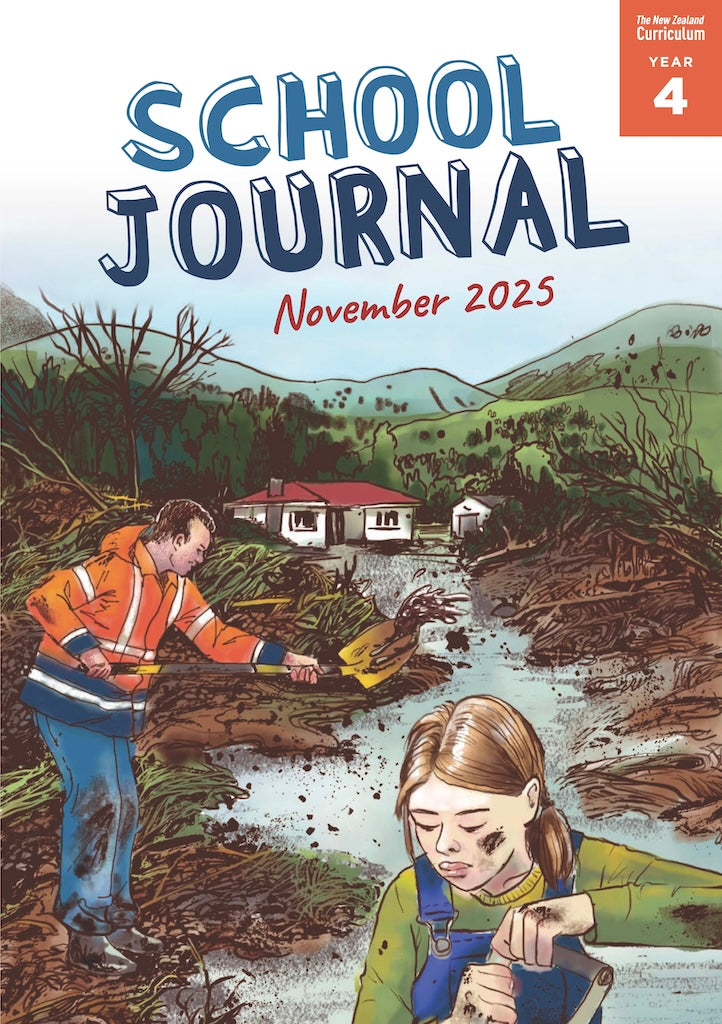

Description
Spotting Kiwi by Steph Matuku is a warm, engaging narrative that follows a child and their cousins as they adjust to island life and discover the magic of seeing kiwi in their natural habitat. Set on a predator-free island where the children’s parents work as rangers, the story blends humour, family dynamics, and outdoor adventure as technology fades into the background and curiosity, cooperation, and care for the environment take centre stage.
Through rich description and authentic dialogue, the text supports students to explore relationships, responsibility, and respect for wildlife, while learning about conservation practices and the behaviours that protect native species. The story encourages readers to think about connection—to place, to whānau, and to the natural world—making it an engaging and meaningful text for middle primary learners.
This pack contains wide range of response activities including:
- A guided reading plan exploring key literacy elements including inference and deduction, language use, making connection and text organisation, along with key questioning to promote emotional intelligence, metacognition and compassionate inquiry.
- An independent learning contract complete with explainer videos for activity clarity
- A wide range of response activities to support developing and embedding key literacy skills including sentence and word work, spelling, and cloze activities.
Curriculum Phase: Phase 2
Year Level: Year 4
English: reading for meaning, making inferences, analysing character actions and relationships, exploring themes of responsibility and belonging, understanding dialogue and narrative structure, and supporting ideas with evidence from the text
Science – Living World (Natural World): native animals of Aotearoa New Zealand, animal behaviour and adaptations, habitats and ecosystems, predator-free environments, human impact on wildlife, conservation and protection of endangered species
Sustainability: kaitiakitanga and environmental stewardship, responsible behaviour to protect wildlife, sustainable living in isolated environments, reducing environmental impact, balancing human needs with care for the natural world
Social Sciences: roles of rangers and conservation workers, living in island and rural communities, identity and belonging connected to place, cooperation and shared responsibility
Text type: Fiction, realistic narrative, short story
Key words include: conservation, environment, family, friendship, holidays, islands, kiwi, native animals, nature, predator-free, rangers, relationships, responsibility, wildlife protection, whānau,
Accessing my resources
Add your desired resources to your cart. If you're a non-member, complete the purchase; if you're a member, simply go through the checkout process. Once finished, you'll receive a download link on the confirmation page, and a copy will also be sent to your email.